Lietava Castle
An extensive ruin with traces of Gothic and Renaissance architecture and views over the surroundings.
History, architecture, hiking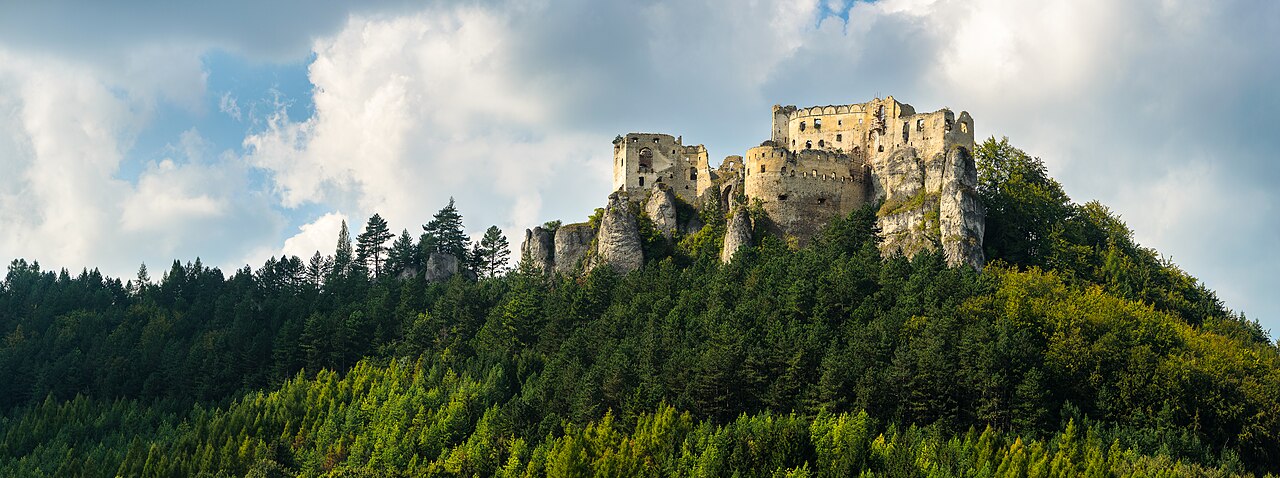
A village beneath a castle whose ruins have stood above the Rajčianka valley for seven centuries.
Žilina Region, Žilina District, Slovakia, postcode 013 18
Lietava is one of the historically most interesting villages in north-western Slovakia. Its history is closely tied to Lietava Castle, to the noble families who held it, to the medieval settlement of the Rajčianka valley and to the later development of the Žilina region.
This overview is arranged chronologically – from the earliest settlement through the Middle Ages, the Kingdom of Hungary and the Habsburg monarchy and Czechoslovakia to the present-day village. Throughout, we distinguish between documented events and traditions preserved in local lore.
Prehistory
The history of today's Lietava began long before the village was founded and before the castle was built.
Important finds are associated with the Lietava Cave in the Farská dolina valley and with elevated sites around the castle.
The area offered water, forests, farmland and naturally protected high ground. The nearby Žilina basin also opened connections to other settled parts of the Váh valley and northern Slovakia.
Local tradition links the castle site with a sanctuary of the Slavic goddess Lietva, or Lada. This explanation of the name, however, is not confirmed by archaeology or linguistics.
1208 – 1773
For the medieval period, the first indirect mentions from 1208 and 1236 must be distinguished from the first direct record of the village in 1300. The name changed over time in the charters:
The exact year the village was founded is unknown. Nor is it certain whether the village existed before the castle or grew up only as part of the castle estate. The sources confirm the settlement existed but do not allow a single founding year to be named.
13th – 18th century
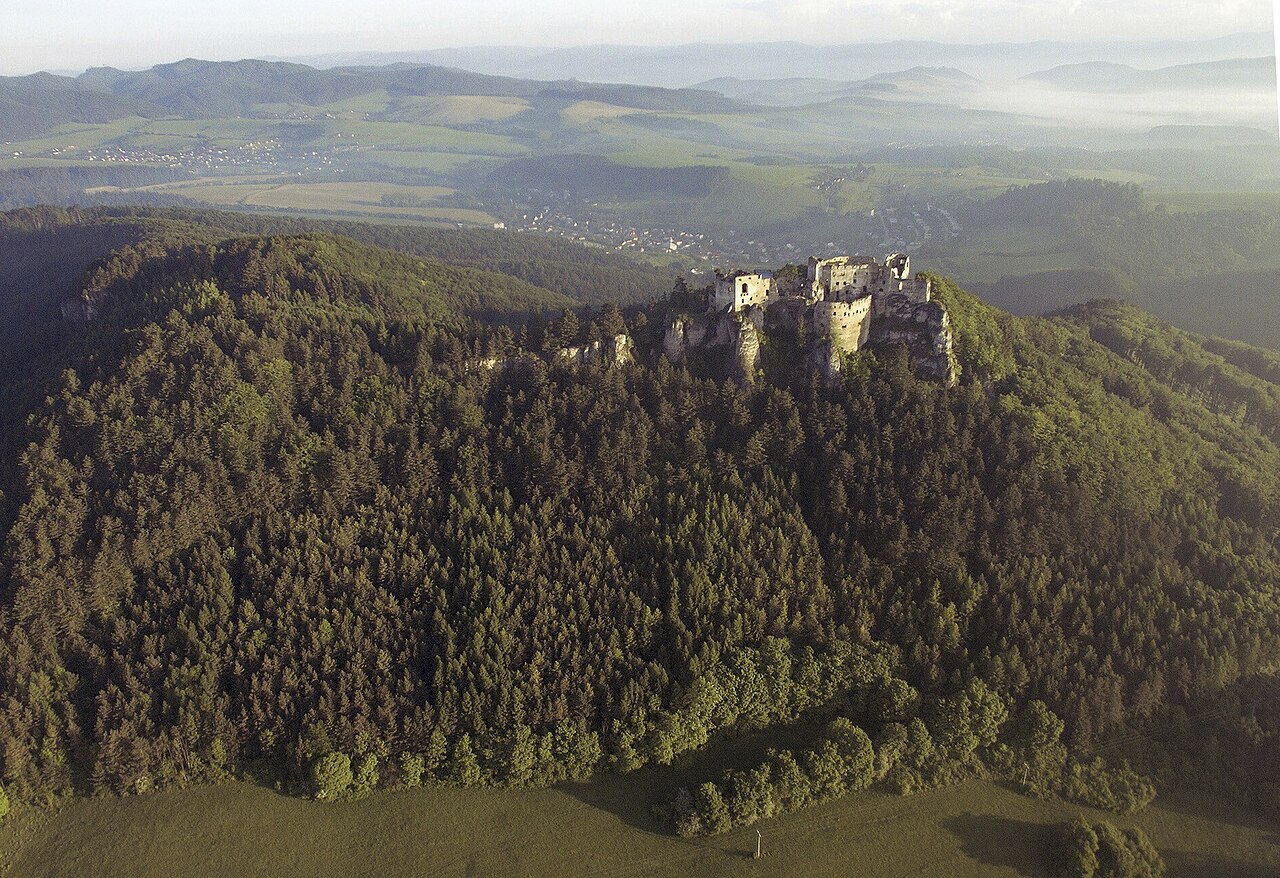
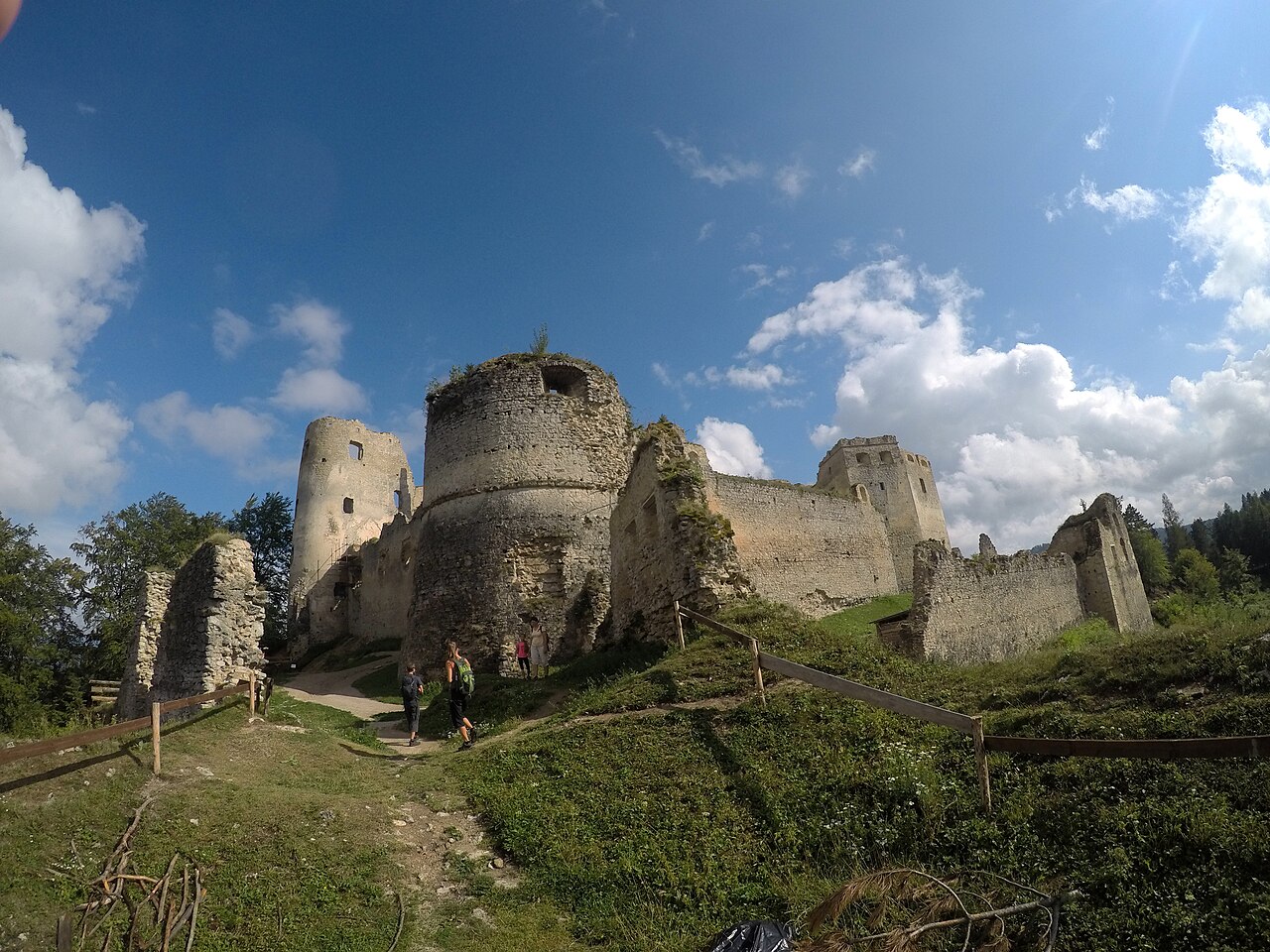
The most important monument associated with the village is an extensive medieval ruin on a rocky ridge above Lietava and neighbouring Lietavská Svinná-Babkov.
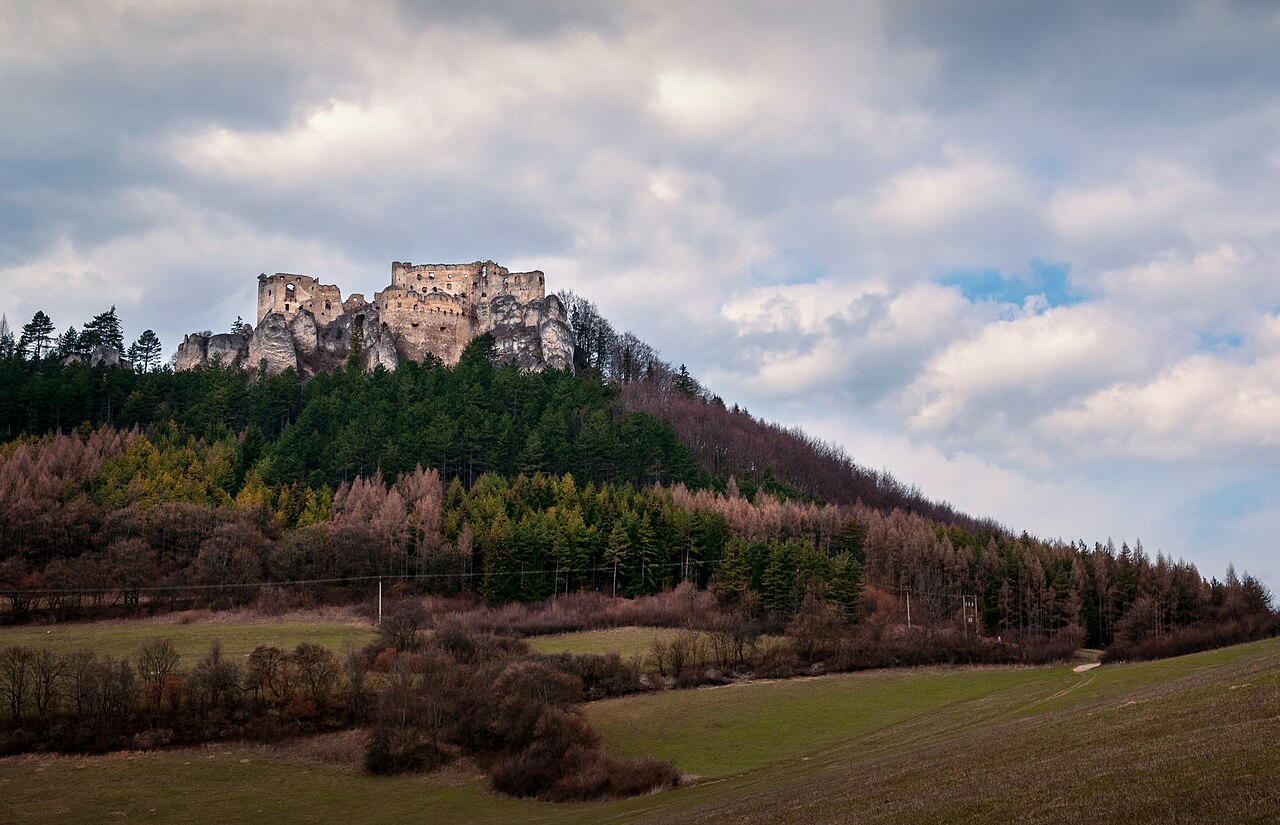
The castle was probably built around the turn of the 13th and 14th centuries, or during the 14th century; its exact origin is not reliably documented. Local tradition links it with the Mongol invasion of 1241, but there is no proof that a castle in its later form stood here at that time. As early as 1318 a castellan named Andrew is recorded, showing that a castle administration already existed.
The castle's early history is linked to his name; his direct ownership or role in its construction is likely but not fully proven.
Stephen Bebek of Plešivec and his descendants were among the first known holders of the castle and estate.
The castle served both defensive and administrative purposes; it was gradually enlarged and its fortifications strengthened.
Under the Thurzó family the castle was greatly enlarged and adapted to the military needs of the time. It took on a more stately character and became an important centre of the estate.
The castle was the seat of its owners and garrison, the administrative centre of a large estate and the place where dues were collected and serf obligations organised, while also guarding important roads and settlements nearby. The surrounding villages, Lietava included, were bound to its running.
In the 17th century the Thurzó estates were divided among heirs. Fragmented ownership weakened the castle's importance, maintenance declined, and by the 18th century the castle was abandoned. Its ruins have remained a striking part of the landscape.
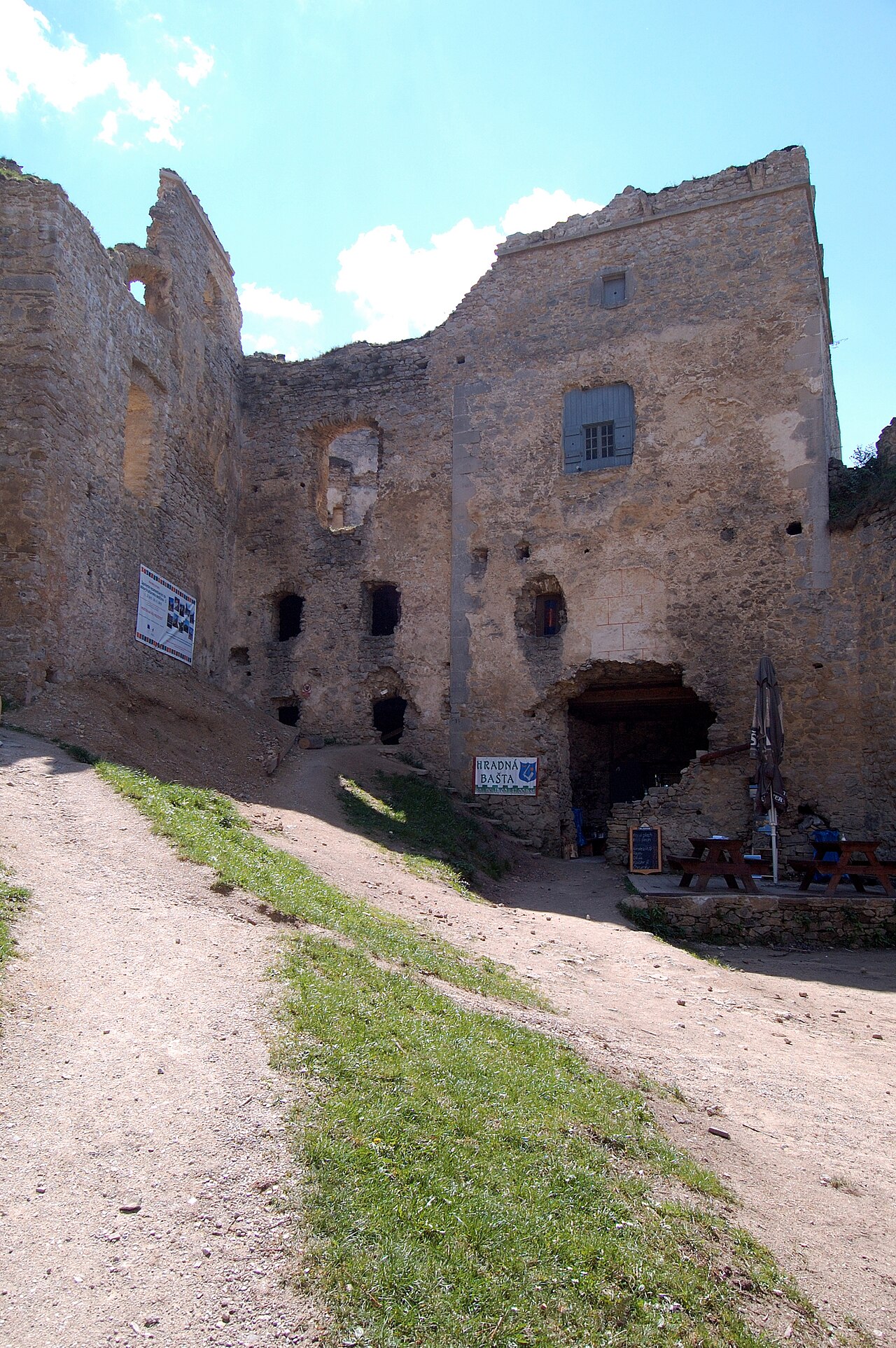
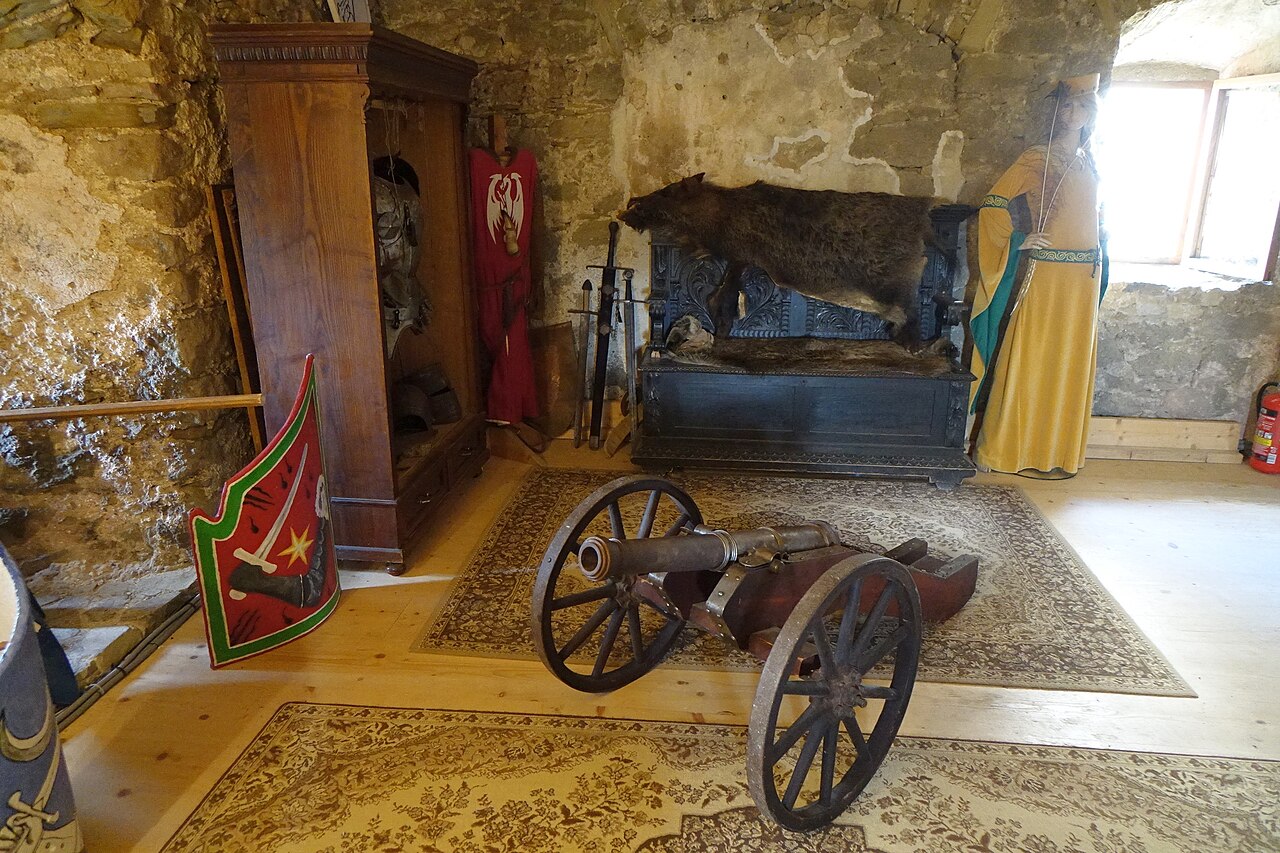
In 1999 the Association for the Rescue of Lietava Castle was founded. It works on the professional stabilisation and partial restoration of the walls, cooperates with heritage experts, trains volunteers and organises cultural events. In 2008 it became the owner of the castle through a deed of gift, and in 2017 it opened the first official castle exhibition to mark the 450th anniversary of the birth of George Thurzó.
16th – 19th century
While the castle was the centre of the estate, villagers lived mainly from farming. Daily life was shaped by the seasons, the harvest and obligations to the landlords.
| Year | Recorded state |
|---|---|
| 1598 | 21 houses |
| 1720 | 22 taxpayers |
| 1784 | 52 houses, 56 families, 331 inhabitants |
| 1828 | 38 houses, 372 inhabitants |
Differences in the number of houses between years may reflect changes in record-keeping, settlement or the village itself.
Lietavská Závadka is mentioned in the sources as early as 1393 and long belonged to the Lietava estate; later, local families of the lesser nobility also played a role there. In 1598 it had seven houses, in 1784 it is recorded with 92 inhabitants, and in 1828 with 132 inhabitants in 17 houses. It was merged with Lietava in 1960.
Below the castle there was also a small castle hamlet, which in 1828 had five houses and 47 inhabitants. In the mid-19th century it merged with Lietava.
Since the 14th century
According to parish records, the Church of the Exaltation of the Holy Cross is the oldest masonry building in the village.

A parish priest of Lietava is mentioned in charters from 1332 – 1337, so the parish already existed in the early 14th century; the exact year it was founded is unknown. In the past it covered several neighbouring villages. Today it belongs to the Rajec deanery of the Diocese of Žilina.
The original building had a tower that may also have served for defence; the nave and sacristy were added later. The oldest known canonical visitation, from 1728, records the priest Ján Silvaj, two bells, a wooden pulpit and a churchyard.
| 1682 | Date on the tower cross, discovered during repairs in 1991. |
| 1728 | Oldest surviving canonical visitation. |
| 1734 | Extensive renovation of the church, described in 1737 by the priest Andrej Najzer. |
| 1991 | Repair of the tower, damaged timber structures and the roof. |
1800 – 1989
In the 19th century Lietava was part of the Kingdom of Hungary within the Habsburg monarchy, and from 1867 Austria-Hungary. In 1870 – 1873 the Popper family bought most of the former Lietava estate. The village remained agricultural; the castle had long ceased to serve for defence or living, but its silhouette still defined the landscape and the village's identity.
After the break-up of Austria-Hungary, Lietava became part of Czechoslovakia. Farming remained important, but as Žilina grew, ties of work, trade and transport to the district centre increased. The Second World War also affected the wider region; specific events in the village are recorded in the chronicle entries for 1939 – 1945.
The post-war period, especially after 1948, brought changes in local administration, the economy, schooling and infrastructure. In 1960 Lietavská Závadka was merged with Lietava, giving the village its present administrative form.
Details from these years can be found in transcripts of the village chronicle published on the official village website (link in the Sources section; in Slovak).
After 1989
After 1989 municipalities gained more self-government, and since 1993 Lietava has been part of the Slovak Republic. It is growing as a commuter village near Žilina, with a municipal office, primary school and kindergarten, library, public water supply, sewerage with a wastewater treatment plant and a gas network.
Over the last ten years the population grew from 1,443 to 1,765, an increase of about 22 %. Natural growth was positive in 2025, and the rest of the increase comes from people moving in.
Source of demographic data: Statistical Office of the Slovak Republic, DATAcube. The area differs slightly between sources (10.0 – 10.2 km²) due to rounding.
An extensive ruin with traces of Gothic and Renaissance architecture and views over the surroundings.
History, architecture, hikingHistoric parish church, centre of a parish recorded in the first half of the 14th century.
Religious heritageA part of the village in beautiful countryside; nearby stands a well-known stone double chair – the goal of a short walk.
Nature, viewsA historic part of the village recorded since 1393, key to understanding how the whole area developed.
Local historyThe area around Lietava with marked hiking trails and cycle routes – paths to Lietava Castle, the Majer rocks, the Súľov Hills and the Rajec valley. You can pan and zoom the map.
Open the map on Mapy.comMap data: © Seznam.cz, a.s., © OpenStreetMap
Forecast for the next 14 days for Lietava (approx. 429 m above sea level). Useful when planning a trip to the castle or the Majer rocks.
Loading forecast…
Forecasts beyond 7 days are only indicative. Data: Open-Meteo.com (licence CC BY 4.0).
Lietava and its castle in old pictures and today. Click a photo to enlarge it.
Photos arranged from the oldest to the most recent.
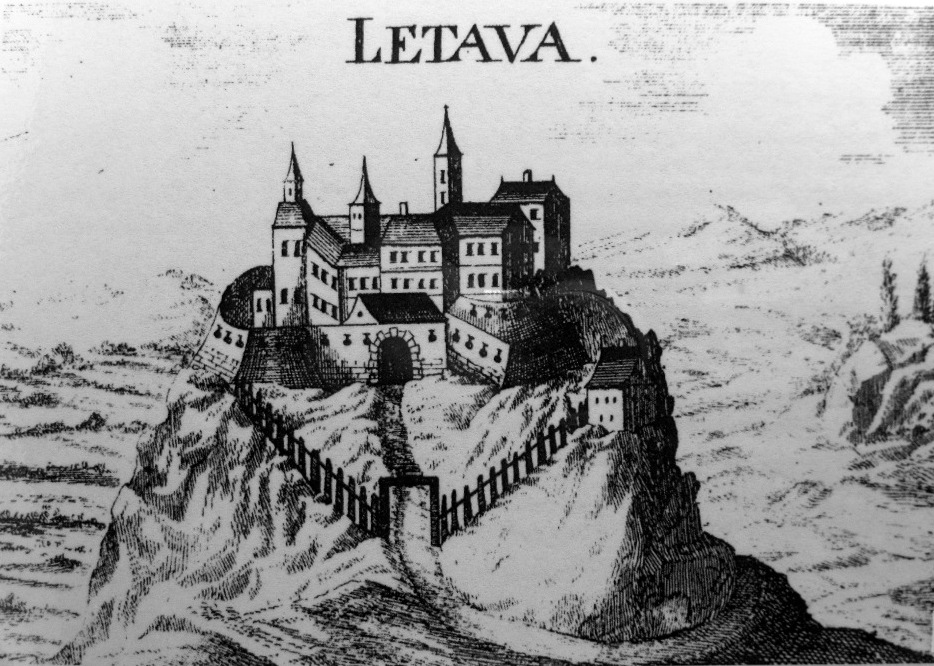


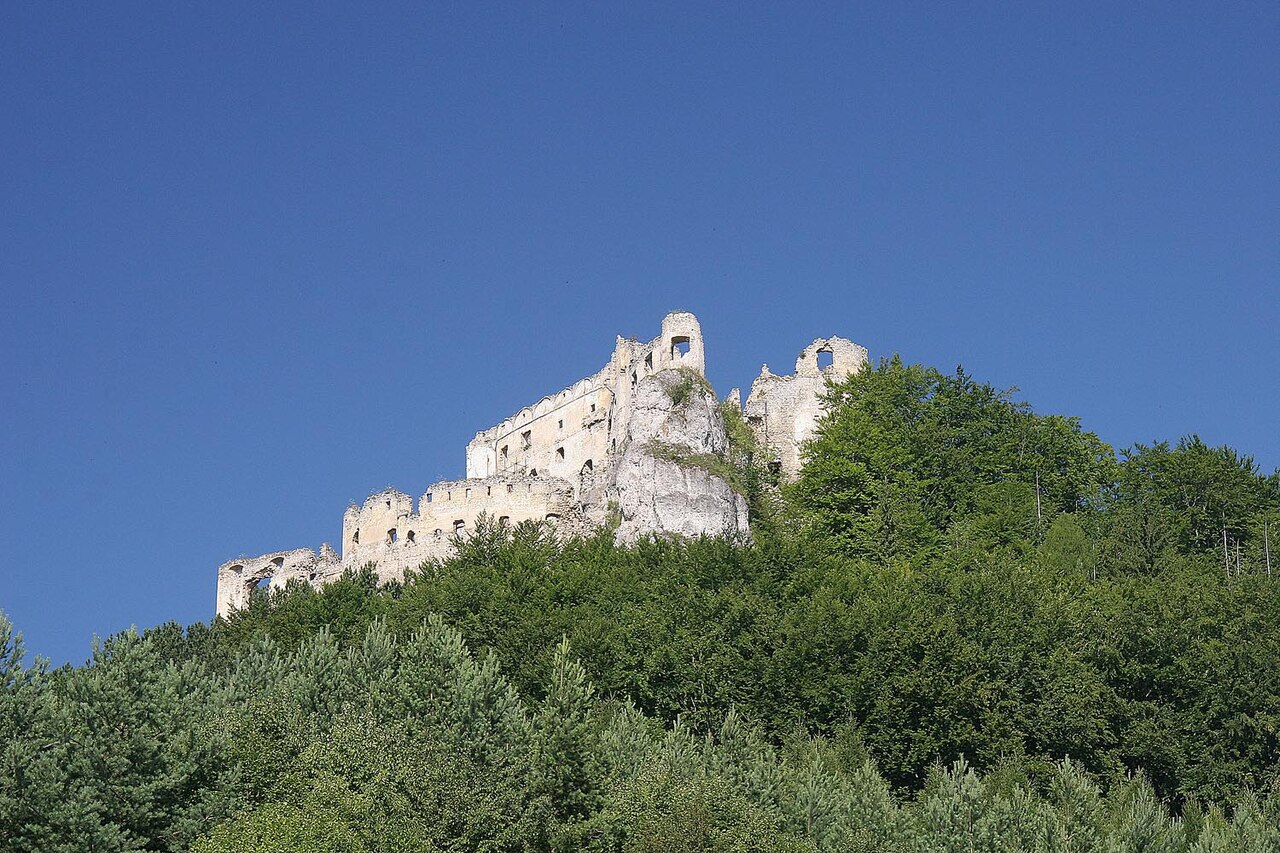
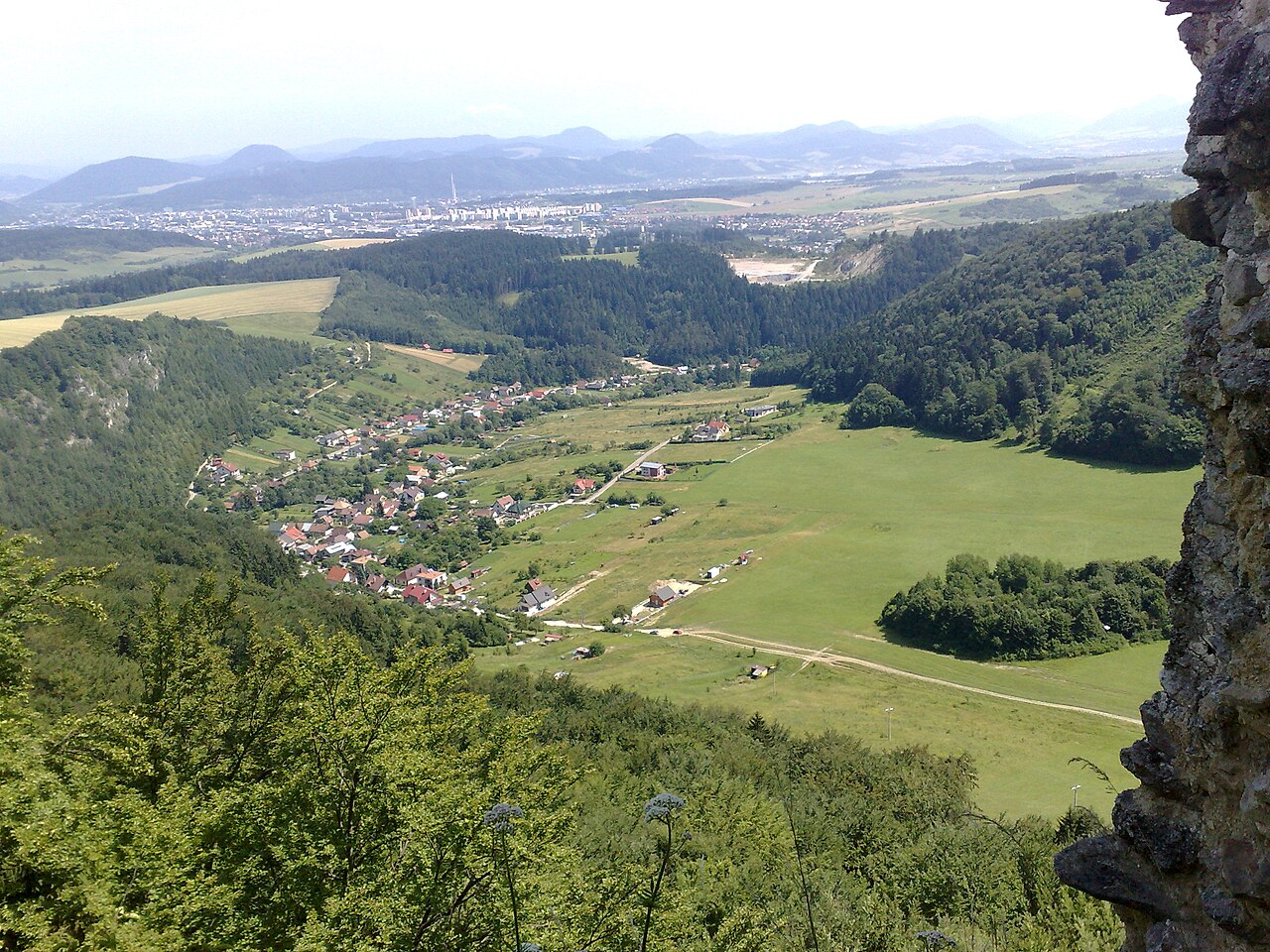
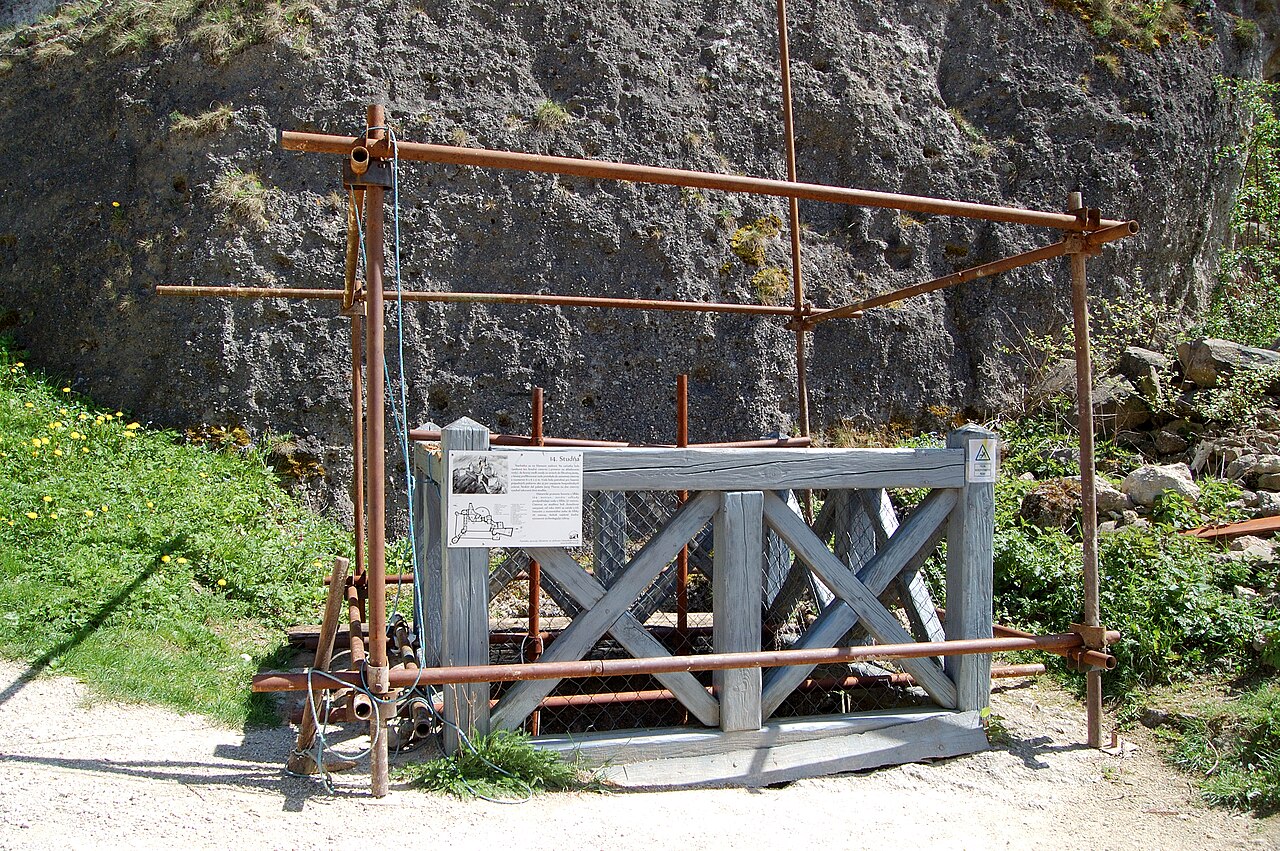
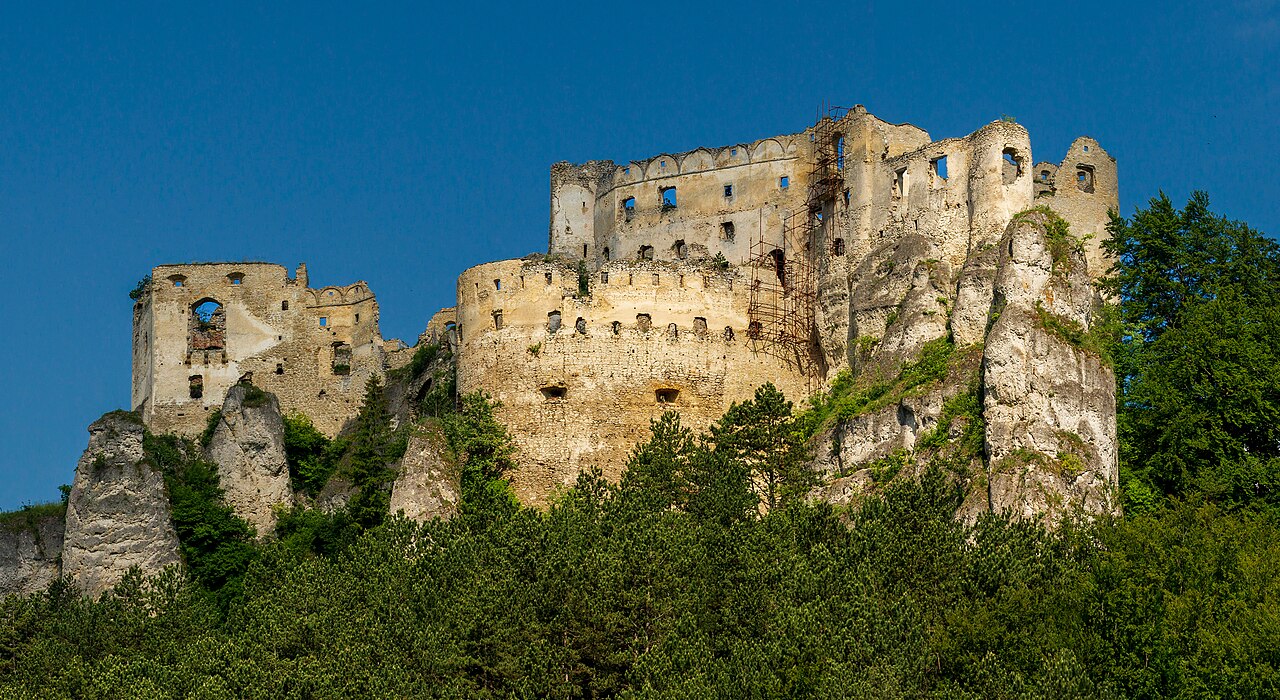


The same place in an old and a new photo. Use the slider to move from one to the other.
Neolithic, Bronze Age and later prehistoric cultures in the area.
Indirect written mentions linked to the settlement.
First direct record of the village, as Lytwa.
A castellan named Andrew is recorded.
The castle and estate grow under leading noble families.
First mention of Lietavská Závadka.
21 houses recorded in Lietava.
The castle is abandoned.
Censuses record 331, later 372 inhabitants.
The Popper family buys most of the estate.
Lietava becomes part of Czechoslovakia.
Lietavská Závadka is merged with Lietava.
The independent Slovak Republic is founded.
The Association for the Rescue of Lietava Castle is founded.
The association becomes the owner of the castle.
The official castle exhibition opens.
The village has 1,765 inhabitants.
Lietava is a village in the Žilina District of the Žilina Region in north-western Slovakia, about 12 km from Žilina, at an altitude of about 429 m. It consists of Lietava, Majer and Lietavská Závadka.
The castle was probably built around the turn of the 13th and 14th centuries or during the 14th century. The exact year is not documented; a castellan named Andrew is mentioned as early as 1318.
The castle's early history is linked to Matthew Csák of Trenčín. Later it was held by the Bebek family, Pál Kinizsi, the Kostka family and the Thurzó family, under whom it was greatly enlarged. It was abandoned in the 18th century.
The Association for the Rescue of Lietava Castle, founded in 1999 and the castle's owner since 2008. Its volunteers stabilise the walls, organise events and opened a castle exhibition in 2017.
The village is first directly recorded in 1300 under the name Lytwa. Indirect mentions date from 1208 and 1236.
On 31 December 2025 Lietava had 1,765 inhabitants. Over the last ten years the population has grown by about 22 %.
The ruins of Lietava Castle, the Church of the Exaltation of the Holy Cross, the Majer rocks with the stone double chair, and Lietavská Závadka. Marked hiking trails and cycle routes lead into the Súľov Hills and the Rajec valley.
This website is an overview of the main topics, not a complete transcript of historical documents. Anyone who wants to go deeper – down to individual years and families – will find more in these sources (in Slovak):
Transcripts of the chronicle from 1938 – 1970 and other historical material.
A publication attributed to Dr Vojtech Bukovinský on the village's history, archaeology and the castle.
Records of the church, priests, repairs and villages belonging to the parish.
Building history of the castle, noble families, fortifications and the rescue of the monument.
Basic information, news, municipal documents and contacts.